





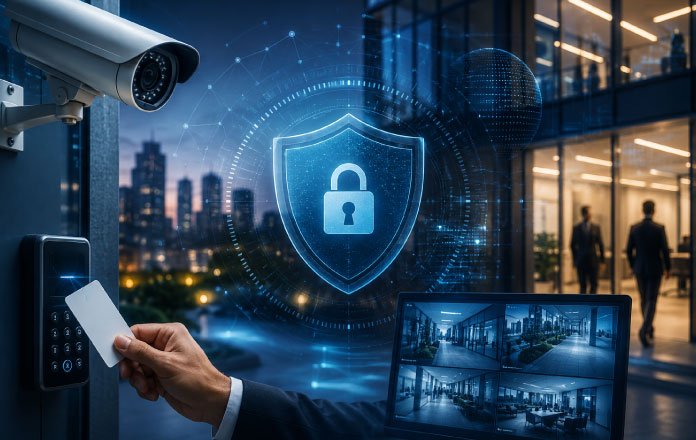
Planning security for a business in 2026 is not only about installing CCTV cameras or putting guards at the entrance. Companies now have to think about employees, visitors, valuable assets, restricted areas, digital systems and the possibility of unexpected incidents affecting normal operations.
The first step is to understand where the business is most exposed. Once those weak points are clear, security teams can decide where technology, workforce and better procedures will make the biggest difference.
A practical security plan should cover physical protection, access management, surveillance, emergency response, employee awareness and regular security reviews. It should also be flexible enough to change when the business, workplace or threat environment changes.
Why Security Planning Matters in 2026
Security problems can quickly become business problems. Theft, unauthorized entry, workplace incidents, property damage and other emergencies can affect employees as well as business operations.
For this reason, security should not be treated as a separate activity that only concerns the security department. Facility managers, IT teams, HR, senior management and other departments may all have a role to play.
A proper assessment should look at important areas such as entrances, parking areas, loading zones, executive offices, server rooms, storage spaces and other restricted locations.
The review should answer some simple questions: Who can enter? When can they enter? Which areas can they access? What happens when something goes wrong? And how quickly can the security team respond?
AI Is Changing Security Operations
Artificial intelligence is finding a practical place in physical security. The main benefit is not simply having a smarter camera. It is helping security teams find useful information without spending hours checking everything manually.
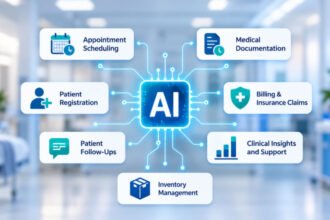


AI-based video systems can help identify unusual activity, prioritize alerts, search recorded footage and support incident investigations. This can be particularly useful for businesses with several locations or large amounts of security footage.
The important point is that AI should support security staff rather than replace them. A trained guard or security operator is still needed when a situation requires judgment, communication or immediate physical action. Current industry thinking is also moving toward this “human in the loop” approach, where AI highlights important events and people make the final decisions.
Connected and Hybrid Security Systems
Many businesses still operate separate systems for cameras, alarms and access control. The problem comes when an incident happens and staff have to check several systems to understand what actually occurred.
Connected security platforms can bring these functions together. A security team may be able to check camera footage, access records and alarms from a common system rather than working with several disconnected tools.
Cloud and hybrid systems are also becoming more useful for businesses with multiple offices or facilities. Companies can keep certain equipment and functions on-site while using cloud services for central management, monitoring and reporting.
This gives businesses more flexibility without forcing them to replace every existing security system at once. Industry forecasts for 2026 also point toward greater demand for flexible deployment models and systems that can work with existing infrastructure.
Access Control Needs a Fresh Look
A door access system does more than open and close doors. It provides information about who entered an area and when they entered it.
Businesses should regularly review employee permissions, visitor access, contractor credentials and access to sensitive areas. When someone leaves the organization or no longer needs access, their credentials should be removed promptly.
Temporary access also deserves attention. Contractors, delivery staff and visitors may need access for a limited period. Their permissions should have clear start and end points instead of remaining active indefinitely.
Mobile credentials and modern access-control systems can make this process easier while giving businesses better control over who can enter specific areas.
Risk Assessment and Employee Training
Buying new security equipment is only one part of the job. A company can have expensive cameras and access-control systems and still have major security gaps if employees do not know what to do during an incident.
Regular risk assessments should identify weak entry points, outdated equipment, poor access procedures and gaps in emergency response.
Employees should also receive basic training on visitor handling, incident reporting, evacuation procedures and suspicious activity.
Emergency plans should cover situations such as fire, medical emergencies, severe weather and security incidents. These procedures should not remain in a document that nobody reads. Businesses should review and practice them regularly so employees know what to do when there is real pressure.
Spend the Security Budget Carefully
Security budgets need to deliver practical value. Companies should avoid buying technology simply because it is new or because another organization is using it.
Instead, spending should follow the risks identified during the security assessment. A business may find that improving access control is more important than adding more cameras. Another company may need better visitor management, employee training or emergency communication.
The 2026 security outlook also shows a stronger focus on demonstrating business value from security investments. Integration, efficiency and return on investment are becoming important factors when companies decide where to spend their security budgets.
Build a Security Roadmap for 2026
A useful security roadmap does not have to be complicated. Start with the areas that present the greatest risk and address them in stages.
Review:
- Entry and exit points
- CCTV coverage and equipment condition
- Employee and visitor access
- Contractor permissions
- Alarm and incident procedures
- Emergency response plans
- Security-system maintenance
- Data storage and retention
- Integration between cameras, alarms and access control
For businesses with several locations, it can be sensible to test improvements at one site before applying them everywhere. This gives the team an opportunity to find practical problems and adjust the approach before making a larger investment.
Conclusion
Physical security in 2026 is moving toward connected systems, better information and more practical use of technology. AI can help security teams identify important events faster, while modern access control and integrated platforms can provide better visibility across a facility.
But the basics still matter. Good security depends on trained people, sensible procedures, reliable equipment and regular reviews.
The best approach is not to buy the newest technology and hope it solves every problem. Start with the risks, decide what needs attention first, choose technology that supports those requirements and make sure employees know how to use the systems and respond to incidents.
That approach gives businesses a security program that is easier to manage, easier to improve and better suited to the realities of 2026.