





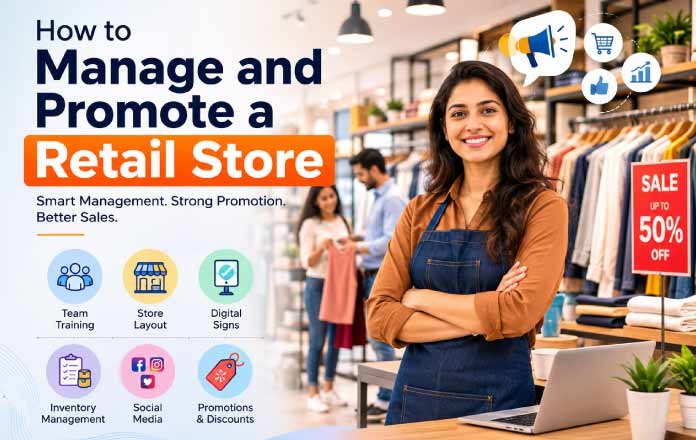
Managing a retail store is not only about keeping products on the shelves. You also need a good team, a clean store, proper stock management, and regular promotion to bring customers in. A well-planned retail store display can improve product visibility. At the same time, promotional items can help the store get noticed and keep customers engaged.
When management and promotion are handled properly, the store can build customer loyalty, improve sales, and offer a better shopping experience. Whether you have been running a store for many years or have recently started, a simple and clear approach can make daily operations much easier.
Here are some practical ways to manage and promote a retail store.
Team Training
Your employees have a direct role in the customer experience. When staff members know their work well, they can help customers, answer questions, and handle their responsibilities without depending on others for every small task.
First, make sure every employee understands their role. This includes responsibilities such as customer service and inventory management. Clear duties help the team stay organized and complete their work properly.
Training should not be a one-time activity. Conduct regular sessions to keep employees familiar with store policies, products, and customer service practices. At the same time, encourage staff to speak with customers in a friendly and helpful manner.
Store Layout
Customers should be able to enter your store and understand where to go without confusion. A simple, clean layout makes it easier for shoppers to move between different sections and look at products comfortably.
Keep popular and seasonal products in places where customers can easily notice them. The entrance and other busy areas are useful spots for products that you want shoppers to see first.



Good signage also makes a difference. Customers should be able to locate products, sale sections, and fitting rooms without having to ask an employee every time.
Do not keep the same displays for too long. Changing them from time to time gives regular customers something different to see and can make the store feel fresh.
Digital Signs
Digital signs are another way to share information with customers inside the store. They can be used to show special offers, new arrivals, daily deals, events, and product information.
Digital signage software makes it easier to control what appears on the screens and update the message when required. This is useful when a promotion changes or when you want to highlight a particular product.
Place screens in areas where customers are likely to notice them. A well-positioned screen can bring attention to an offer or guide shoppers towards a particular section.
The content can also be changed for holidays, seasonal sales, and store events. This means the same screens can be used for different promotions instead of relying on one fixed message.
Inventory Management
Stock management is one area where a retail store cannot afford to be careless. Customers expect to find the products they want, so popular items need to be available when demand is high.
Keep an eye on sales patterns and stock levels. Products that sell quickly should be reordered on time. An inventory tracking system can help you avoid keeping too much stock or running short of products that customers regularly buy.
Seasonal demand, holidays, and busy shopping periods should also be considered when planning inventory. A little preparation can help prevent products from running out at the wrong time.
A proper inventory process also keeps the storage area under control. When products are arranged properly, employees can find them quickly and restock the shelves without wasting time.
Social Media
A retail store should not depend only on people who walk through the front door. Social media gives you another way to stay connected with customers and tell them what is happening in the store.
Regular posts can highlight new products, sales, and upcoming events. They also keep customers aware of the store and may encourage them to visit or check products online.
Social media also gives customers a simple way to ask questions or leave comments and reviews. Responding to them helps maintain direct communication with your audience.
Photos and short videos can be useful for showing popular products and activities happening inside the store. Professional-looking videos can now be created more easily, including with AI video tools. This can save time for retailers who do not have previous video-editing experience while still giving them useful promotional content.
Promotions and Discounts
Promotions can bring more attention to a store and encourage customers to make a purchase—the timing of an offer matters. Holidays, busy shopping periods, and the end of a season can be suitable times to run special deals.
There are several ways to structure these offers. You can bundle products, give discounts on selected categories, or provide special deals to members.
Promotions can also help move older stock and create space for new products. However, discounts should not become a regular habit. If customers see sales all the time, they may start to question the normal value of the products.
The better approach is to plan promotions carefully and use them when they have a clear purpose. A well-timed offer can encourage customers to visit the store and give existing customers another reason to return.